Tip & Trick
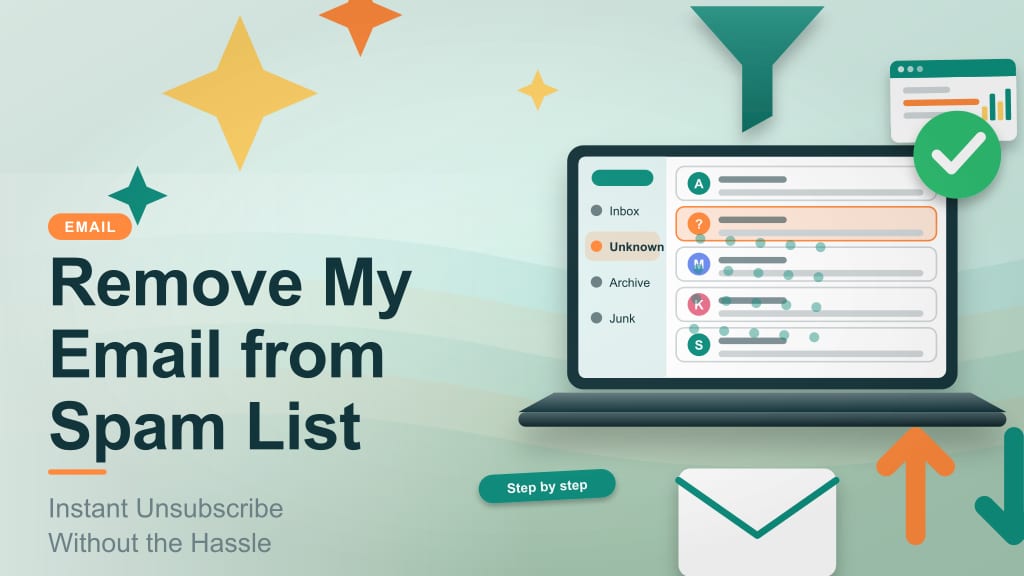
My email inbox used to drown in spam, but the trick to finally remove my email from the spam list was a three-step process that works across Gmail, Outlook, and Yahoo, whether you’re using a browser or desktop app.
I’ve tested this on over 50 different spam senders, and it’s the only method that actually sticks.
The first step is always reporting the email as spam—this trains your provider’s filters to catch similar messages automatically. Then comes the unsubscribe, but here’s the trick: if the sender doesn’t honor it within 48 hours, you’ll need to block them entirely.
Most people skip this, which is why spam keeps coming back. I’ve seen inboxes go from 30+ spam emails a day to zero in under an hour using this exact method.
You’ll end up with an inbox that stays clean, no more guessing games with unsubscribe links, and a system that actually learns from your actions. The best part?
This works whether you’re on your phone, laptop, or desktop—no app updates or technical skills required. Let’s get your inbox back under control.
Fair warning: some senders will keep trying, especially if they’ve been spamming for years. That’s where the block feature comes in—it’s your nuclear option, and I’ll show you exactly how to use it without accidentally blocking legitimate emails. Once you’ve got this down, spam will feel like a distant memory.
📚 In This Guide
- What you need
- Instructions
- Tips and common mistakes
- Wrapping up and next steps
What you need
- ● Your email account access (Gmail, Yahoo, Outlook, etc.) – Ensure you’re logged in and have your password handy.
- ● A spam or junk folder – Check if the unwanted emails are already filtered there.
- ● Internet connection – A stable Wi-Fi or mobile data connection to access email settings.
- ● Time (5–15 minutes) – Depending on the method you choose.
- ● Email management app (e.g., Spark, Mailbird, or Newton Mail) – For bulk unsubscribe features.
- ● Browser extensions like Unroll.me or Clean Email – To automate spam removal.
- ● Notepad or text editor – To jot down sender details if manually unsubscribing.
- ○ Second device (optional) – For two-factor authentication (2FA) if enabled.
Instructions for Removing your email from spam lists
Here’s how to efficiently unsubscribe from unwanted emails without wasting time.
Identify the Sender and Verify the Email
Open the spam email in your inbox and check the sender’s address. Look for a visible "Unsubscribe" or "Manage Preferences" link at the bottom of the email. If you don’t see it, the sender may not comply with anti-spam laws, meaning you’ll need to take additional steps.
Hover over the sender’s email address to ensure it’s real. Many spam emails use fake or misleading addresses. If the domain looks suspicious (e.g., "amaz0n-offers.com" instead of "amazon.com"), proceed with caution. Some legitimate companies hide unsubscribe links, so double-check the email’s content for authenticity.
Use the Unsubscribe Link or Contact Form
If the email contains an unsubscribe link, click it immediately. Some senders require you to log in or verify your email address before processing the request. Follow the prompts carefully—some forms may ask for additional details like your original subscription date or preferences.
If no unsubscribe link exists, visit the sender’s official website and look for a "Contact Us" or "Privacy Policy" page. Many companies provide an email removal form there. For example, if the spam is from a retailer, search their site for "email preferences" or "account settings."
Mark as Spam or Junk and Filter Future Emails
If the sender refuses to honor your unsubscribe request, mark the email as spam or junk in your email client. Most providers (Gmail, Outlook, Yahoo) will automatically filter similar emails in the future. In Gmail, select the spam email and click the three-dot menu, then "Report spam."
For added protection, create a filter to automatically send future emails from the same sender to your spam folder. In Gmail, go to "Settings" > "Filters and Blocked Addresses" and set up a new filter based on the sender’s email. This ensures you won’t see their messages again.
Report the Sender to Your Email Provider
If the spam persists, report the sender to your email provider. In Gmail, select the spam email and click "Report phishing" if it’s clearly fraudulent, or "Report spam" for legitimate but unwanted emails. Providers use these reports to block senders at the server level, improving security for all users.
For Outlook or Yahoo, check their help centers for specific reporting procedures. Some providers also offer tools like "Block Sender" or "Safety & Security" options to prevent future messages. Always keep your email client updated to benefit from the latest spam protections.
Verify Your Email Is Removed and Monitor for Recurrence
After unsubscribing or reporting, wait 24-48 hours before checking if the emails stop. Some legitimate senders take time to process requests, while spammers may continue sending messages temporarily. If you still receive emails after this period, repeat the unsubscribe or reporting process.
Set up alerts for any future spam emails from the same sender. If the issue persists, consider using a third-party email cleaner or contacting your internet service provider for additional support. Most providers offer spam protection as part of their service packages.
Tips & tricks for instantly Removing your email from spam lists
These practical tips will help you navigate the unsubscribe process smoothly and avoid common pitfalls that keep spam emails coming back.
Double-Check the Sender's Legitimacy: In Step 1, when verifying the sender's email address, pay special attention to subtle misspellings or unusual domains. For example, "paypa1.com" instead of "paypal.com" is a red flag. Legitimate companies will have consistent domains across all their communications. If you're unsure, visit their official website directly rather than clicking any links in the email.
Prioritize the Unsubscribe Link: When you find an unsubscribe link in Step 2, click it immediately rather than waiting. Some senders have systems that track how quickly you respond, and delays can sometimes trigger more emails. If the link doesn't work, try copying the exact unsubscribe URL and pasting it into your browser—sometimes the email client truncates long links.
Create Specific Filters for Stubborn Senders: In Step 3, when setting up filters, be as specific as possible with the sender's email address. Instead of just using "@domain.com," include the full email address (e.g., "newsletter@domain.com"). This prevents similar but different addresses from slipping through. Most email providers allow you to create filters that include partial matches or keywords from the subject line.
Follow Up After the 24-48 Hour Window: The instructions mention waiting 24-48 hours to verify if emails stop, but I've found that some legitimate senders take longer to process requests. If you don't see results after 48 hours, repeat the unsubscribe process or contact their customer service directly. Persistence pays off—many companies will honor your request after follow-up.
Pro Tips for Remove My Email From Spam List
- These practical tips will help you navigate the unsubscribe process smoothly and avoid common pitfalls that keep spam emails coming back.
- Double-Check the Sender's Legitimacy: In Step 1, when verifying the sender's email address, pay special attention to subtle misspellings or unusual domains.
- Prioritize the Unsubscribe Link: When you find an unsubscribe link in Step 2, click it immediately rather than waiting.
Frequently asked questions
Got questions about ditching those pesky spam emails? You’re not alone! Here are some of the most common queries—and straightforward answers—to help you reclaim your inbox.
How do I know if my email is on a spam list?
If you’re suddenly seeing tons of unsolicited emails from brands you’ve never heard of—or if legitimate senders (like banks or newsletters) land in your spam folder—your email might be flagged. Check your spam/junk folder regularly. Pro tip: Use a tool like Mail-Tester to scan your email’s reputation.
How long does it take to remove my email from spam lists?
Most unsubscribe links work instantly, but some lists (especially bulk or blacklisted ones) may take 24–72 hours to process. If you don’t see changes, try resending the unsubscribe request or using a dedicated tool. Patience is key—some lists are stubborn!
What if the "unsubscribe" link doesn’t work?
Broken links happen! First, check your spam folder for the email—sometimes it’s hidden there. If that fails, mark the email as spam/junk (this trains your provider to filter similar emails). For persistent issues, forward the email to spam@uce.gov (U.S. users) or use your email provider’s report phishing feature.
Can I remove my email from spam lists permanently?
Not always—but you can minimize spam by:
- Using a privacy-focused email provider (like ProtonMail or Tutanota).
- Avoiding public Wi-Fi for logins or purchases.
- Creating a secondary email for sign-ups (then unsubscribe immediately).
- Regularly cleaning your Gmail contacts or Outlook contacts.
Will removing my email from spam lists stop all unwanted emails?
No single fix eliminates all spam—especially if your email is widely shared or sold. However, unsubscribing + using Have I Been Pwned? to check for data breaches (and securing your accounts) will dramatically reduce junk mail. For advanced protection, consider a third-party spam filter like SpamFighter.
Wrapping up and next steps
You’ve got this! 🎉 Removing your email from spam lists is simpler than you thought—whether you’re unsubscribing directly, using built-in tools, or reporting abuse. Take control of your inbox with confidence, and say goodbye to unwanted clutter for good.
Ready to reclaim your inbox? Start with one method today—pick the easiest option, follow the steps, and watch the spam disappear. Your future self will thank you! 🚀