
Troubleshooting
Posting too much online can turn your social media into a digital risk zone. These 10 real dangers of oversharing reveal how oversharing can impact your privacy, security, and even physical safety in ways you may not have considered.
Identity Theft Through Personal Details
Your birthday, pet’s name, and even your childhood hometown aren’t just trivia—they’re the keys to your accounts. Cybercriminals scour social media to answer security questions, then use them to reset passwords, drain bank accounts, or open credit cards in your name.
Most people assume security questions are foolproof, but a 2023 FBI report found that 63% of identity theft cases start with stolen personal details from social media. Scammers don’t just guess—they harvest info from posts like "Happy Birthday, Mom!" or "Miss my old neighborhood!" to bypass two-factor authentication and take over accounts.
This risk isn’t just for casual users—small business owners and remote workers are prime targets, as fraudsters impersonate them to access company data. Always assume strangers (and bots) are watching. ✨
Stalking and Harassment Risks
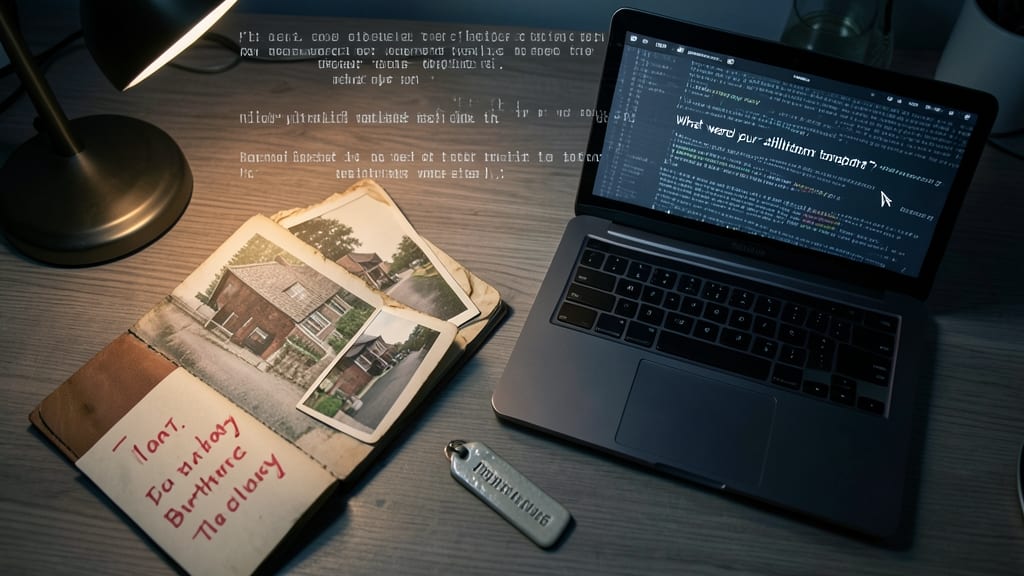
Your daily check-ins and location tags might feel harmless, but they’re like leaving a trail of digital breadcrumbs for the wrong people. A single geotagged post can reveal your home address, gym routine, or even your nightly coffee shop—information stalkers and predators use to track your movements in real time.
Apps like Facebook, Instagram, and Snapchat default to sharing your precise location unless you manually disable it. Even "private" stories can be screenshotted or saved by strangers. Worse, third-party apps (fitness trackers, dating profiles) often sync location data without clear opt-outs, creating a hidden map of your life. One wrong click could turn your social media into a real-world tracking tool.
This risk isn’t just for celebrities—anyone with an ex-partner, disgruntled acquaintance, or obsessive fan is vulnerable. Domestic violence advocates warn that oversharing locations is one of the top digital risks for abuse victims. 💻
Job Loss from Controversial Posts

Your next job interview might hinge on a private post from years ago—because 70% of employers now check candidates' social media before hiring or promoting. A single controversial tweet, even if deleted, can resurface in a Google search or screenshot shared by a disgruntled colleague.
Industries like finance, law, and tech are especially vigilant, scanning for political rants, religious views, or workplace gripes that could signal poor judgment. Even a seemingly harmless joke about your boss might raise red flags during background checks. Tools like Social Intelligence (used by HR firms) can uncover "private" content with alarming ease.
Freelancers, remote workers, and career switchers face the highest risk—your digital footprint is often the first impression. A simple rule: Assume everything stays online forever. 💻
Blackmail and Extortion Scams
That late-night joke about your "illegal" DIY home security system might seem harmless—but cybercriminals screenshot and weaponize even jokingly shared content. A single post about "bypassing the law" or "hacking" (even as satire) can be twisted into blackmail material, with scammers demanding $500–$5,000 or threatening to expose your "crimes" to employers or law enforcement.
These scams thrive on publicly archived posts, including deleted content cached by Google or third-party sites. Criminals exploit emotional leverage, targeting vulnerable users with threats like, "Pay up or we’ll tell your boss you faked your degree." Even private messages (DMs) can be intercepted if your account is hacked—making end-to-end encryption a must for sensitive convos.
Freelancers, students, and professionals in regulated fields (like finance or healthcare) are prime targets. Always ask: Would I want this used against me? A quick privacy audit—limiting audience visibility and disabling screenshot warnings—can stop your posts from becoming a digital hostage situation. 💻
Exploiting Family and Friends
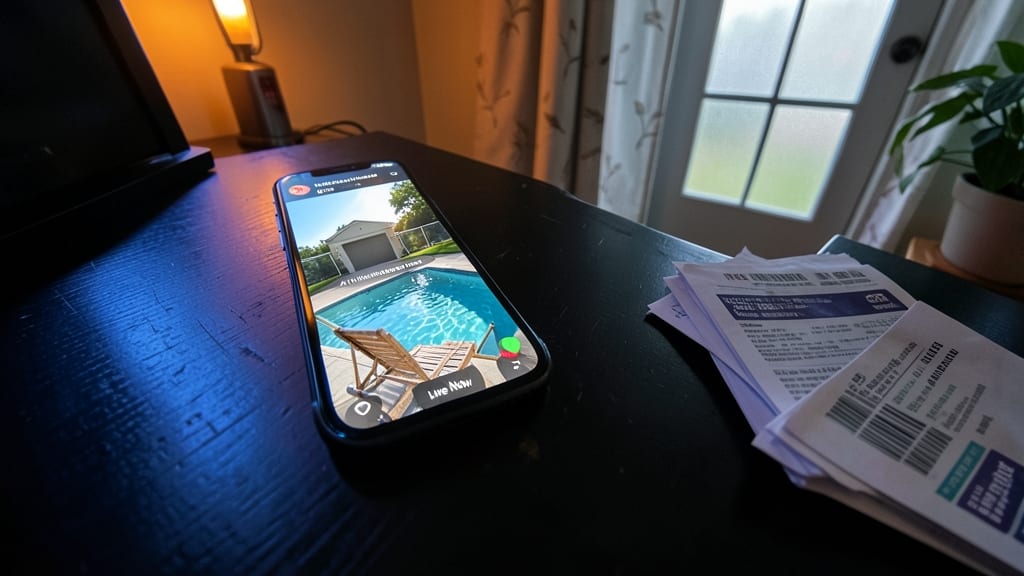
That "quick vacation update" might be the perfect invitation for burglars. Real-time check-ins, live location tags, and even seemingly harmless posts about your home’s layout can turn your social media into a criminal’s roadmap.
Criminals monitor platforms like Facebook, Instagram, and Nextdoor for posts revealing empty homes, pet routines, or school schedules—details that make targeted theft or abductions shockingly easy. Even "private" posts can be screenshotted or shared, and public Wi-Fi hotspots (like those in airports) are prime spots for hackers to intercept your updates.
Parents of young kids or pet owners are especially vulnerable—oversharing about school drop-offs or pet names can attract predators lurking online. A simple rule: Wait 24 hours before posting about plans, and never share real-time location data while traveling. 💻
Social Media Addiction and Mental Health
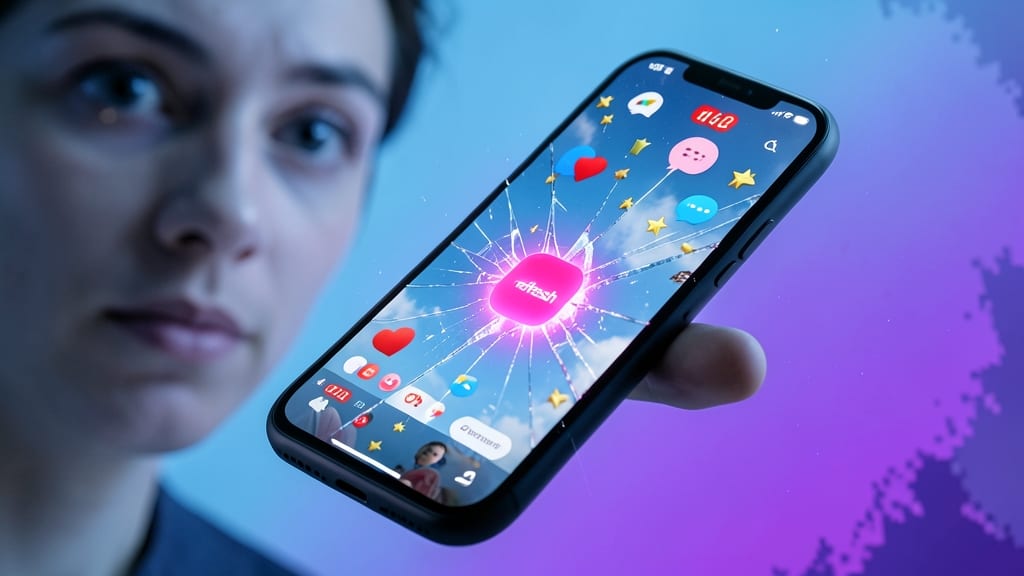
Ever notice how refreshing your feed feels like a temporary high? That’s your brain’s dopamine system rewarding you for validation—but it comes at a cost. Studies show that chasing likes and comments rewires your brain to crave constant engagement, creating a cycle of anxiety and dissatisfaction.
Platforms like Instagram and TikTok use algorithms designed to maximize screen time, triggering FOMO (Fear of Missing Out) and compulsive scrolling. Over time, this leads to symptoms of depression, low self-esteem, and even digital burnout, where your mental energy drains faster than a phone battery on a long day.
This risk hits hardest for teens and young adults, whose brains are still developing, but anyone who checks notifications obsessively is vulnerable. The solution? Set app time limits, mute notifications, and ask yourself: "Is this post adding value, or am I just seeking validation?" ✨
Phishing Attacks Using Shared Info
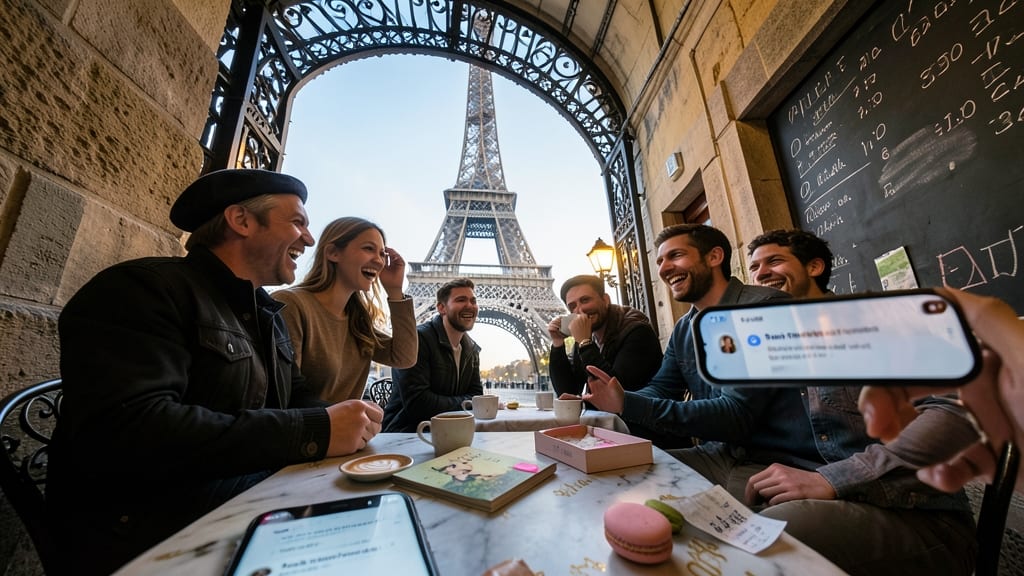
That "innocent" vacation photo of you and your friends in Paris? Hackers can weaponize it. Cybercriminals scour social media for details like travel memories, inside jokes, or even casual mentions of your favorite coffee shop to craft hyper-personalized phishing emails that bypass generic spam filters.
These attacks often use urgent language ("Your account was locked!") combined with familiar references ("Remember our trip to the Louvre?") to trick you into clicking malicious links. A single click can install keyloggers or trick you into entering credentials on fake login pages designed to mimic your bank or email service.
Small business owners and freelancers are especially vulnerable—hackers may impersonate clients or partners using details from your posts. Always verify unexpected requests via phone or in-person, and enable multi-factor authentication on all accounts. 💻
Legal Consequences from Oversharing
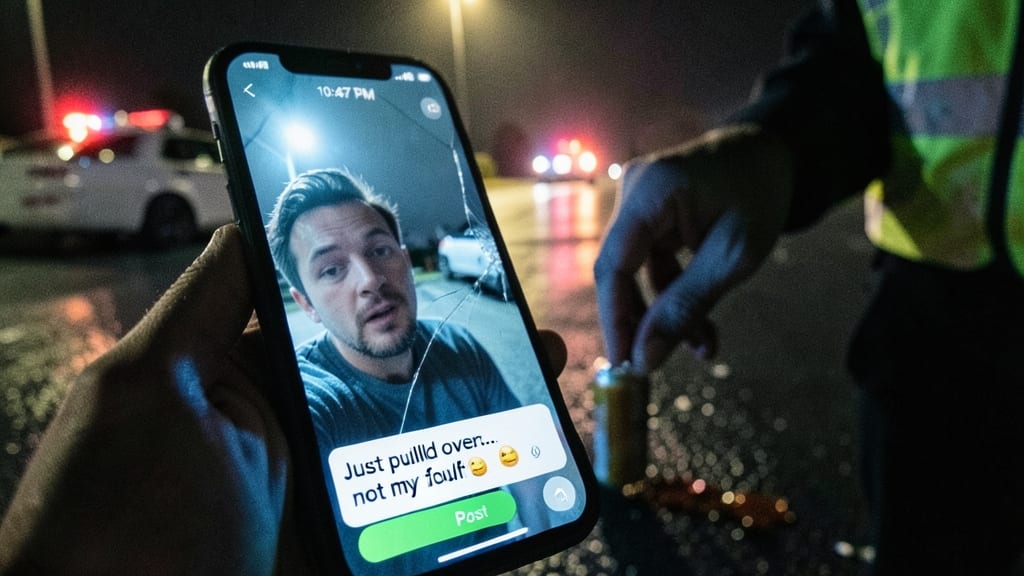
That one viral post about your DUI arrest or even that minor traffic stop could haunt you far longer than you think. Law enforcement and courts increasingly scour social media for digital evidence, turning your casual updates into admissible proof that could escalate a misdemeanor—or even land you in court.
From speeding tickets to legal disputes, platforms like Facebook and Instagram are now subpoenaed as evidence in over 10% of U.S. cases, per legal tech firm LexisNexis. Even "private" stories or deleted posts can resurface via screenshots or third-party archives. Lawyers and prosecutors actively monitor profiles to build cases—so that joke about "skipping bail" might not stay a joke.
If you’ve ever posted about legal troubles, think twice before hitting "share." Professionals in law, finance, or public roles face the highest risks, but anyone can become a target. 💻
Targeted Advertising and Privacy Invasion
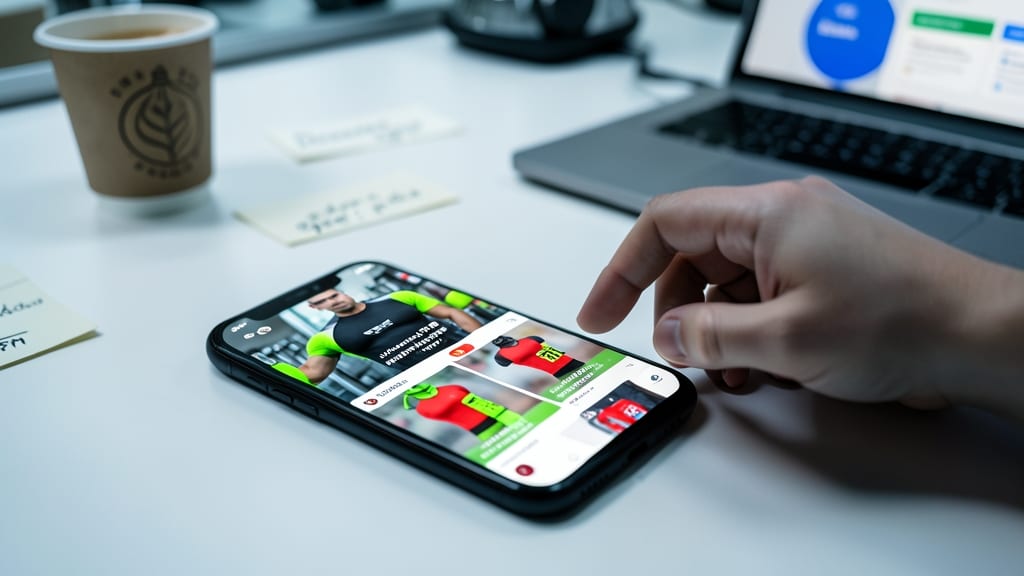
Ever noticed how ads for a product you casually mentioned online suddenly flood your feed? That’s not a coincidence—it’s targeted advertising in action, powered by the data you unknowingly share. When you post about your latest gym routine, medical struggles, or even financial goals, you’re feeding a system that turns your personal life into a profit-driven algorithm.
Companies like Facebook, Google, and data brokers use this info to craft hyper-personalized ads that manipulate your decisions. A post about struggling with sleep might trigger ads for expensive supplements, while mentioning a new car could lead to loan offers with sky-high interest rates. Even worse, insurers and lenders now cross-reference social media with credit reports—meaning a single careless post could increase your premiums or deny you a loan.
This isn’t just annoying—it’s a privacy invasion with real financial stakes. Job seekers, patients, and anyone with sensitive goals should treat social media like a public ledger, not a diary. ✨
Digital Footprint Ruining Future Opportunities
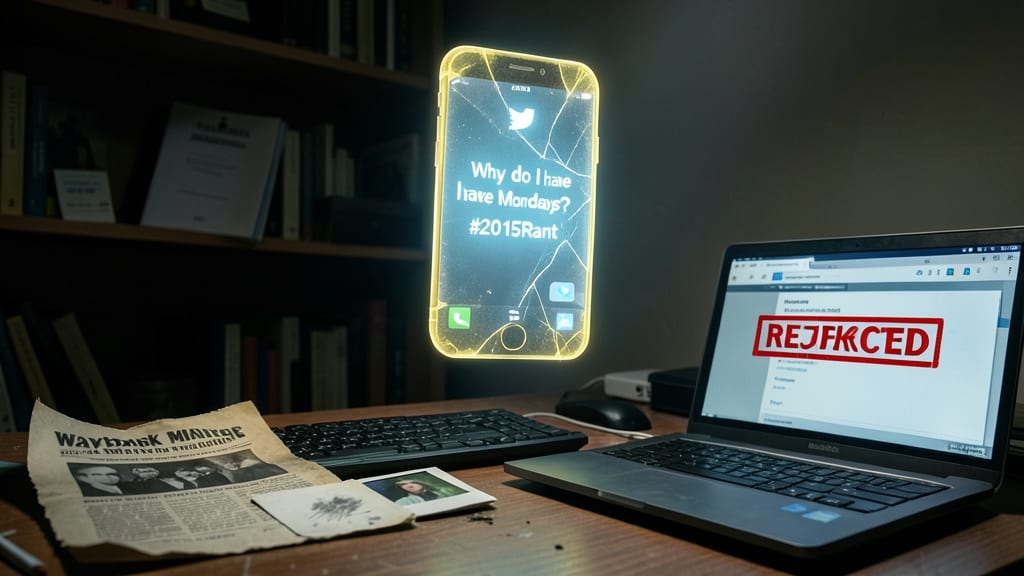
Think you’ve deleted that embarrassing tweet? Think again. Third-party archives like the Wayback Machine or even casual screenshots from friends can preserve your posts indefinitely—meaning a 2015 rant could haunt your scholarship application or job interview years later.
Even platforms with "delete" buttons often leave traces in search engines or social media algorithms. For example, a viral post might get reposted by news sites, and a simple Google search could pull up your old content. Tools like JustDeleteMe show how hard it is to truly erase your digital footprint.
Students applying for Ivy League schools, job seekers in competitive fields, or anyone dating online should treat every post as permanent. One slip could cost you opportunities you’ve spent years building. ✨